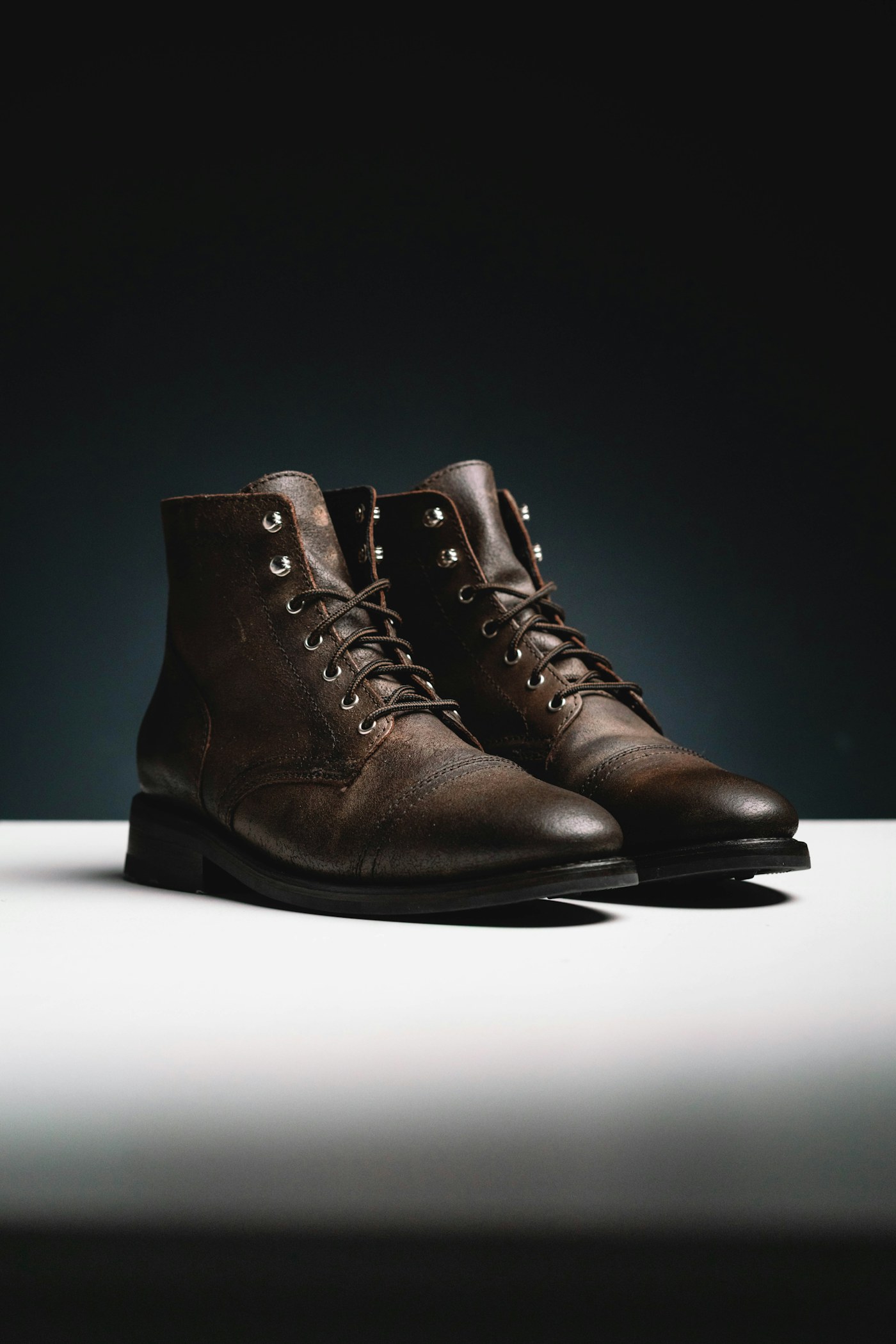
Ankle boots are wardrobe workhorses when their proportions work with the trousers and skirts you wear. A small difference in shaft height can change whether a hem stacks, catches, or leaves a gap in cold weather.
Measure the shaft against your most-worn jeans and consider whether you prefer a close or roomy ankle. A side zip is quick, laces adjust more precisely, and elastic gores can make a pull-on boot easier to wear. Check whether the toe shape leaves room without appearing oversized.
Start with the day you need it for
For wet fall sidewalks, check the outsole and upper care instructions. A commute may call for a lower heel and secure closure, while a dressier pair can be reserved for evenings. If you wear thick socks in winter, test them with the boots before choosing your size.
A useful check is to imagine the item in the middle of an ordinary day, not just at the moment you first put it on. If it needs constant adjusting, special care you cannot keep up with, or a second purchase to become usable, that belongs in the decision.
What to compare before choosing
Measure the shaft against your most-worn jeans and consider whether you prefer a close or roomy ankle. A side zip is quick, laces adjust more precisely, and elastic gores can make a pull-on boot easier to wear. Check whether the toe shape leaves room without appearing oversized.
Product descriptions can help with measurements and materials, but they cannot tell you exactly how a garment will sit on your body or how a shoe will feel after hours. Use the listed details to narrow your options, then check seller sizing guidance, return terms, and care instructions.
The trade-offs are part of the choice
Smooth leather can be polished but may need weather protection. Suede has texture and can mark in rain. A slim sole looks refined but may feel less capable on wet pavement than a lugged outsole.
There is rarely a universally best material, silhouette, or price point. A more useful comparison is the one that reflects your climate, how often you expect to wear the piece, and what care it asks of you.
A quick checklist before you buy
- Check the boot while seated and walking; the ankle should not rub with each step.
- Use care products compatible with the upper material.
- If between sizes, use the brand’s fit guidance and return policy rather than guessing.
When details are missing, ask the seller or choose a listing that explains the relevant measurements and care. Keep a copy of the order details until you know the item works for you.
Frequently asked
Can ankle boots be worn with dresses?
Yes. Consider the hem and shaft gap; tights can make a cooler-weather outfit feel more continuous.
Are suede boots practical in rain?
They require more care and can stain. Check the care guidance and local weather before relying on suede for wet commutes.
Fashion Reviews Online may earn a commission from qualifying purchases made through some links. Our recommendations are based on published product information and practical buying criteria. How we disclose.